
Among modern slice-of-life anime, Bocchi the Rock! stands out for its instantly recognizable comedy style. At first glance, the series appears to follow familiar tropes: a shy protagonist, a school band, and lighthearted humor. However, what makes Bocchi the Rock! truly special is how its comedy feels deeply personal and emotionally authentic. Rather than relying on simple gags, the show transforms everyday anxiety and social discomfort into humor that feels honest, relatable, and surprisingly cathartic.
Comedy Rooted in Real Emotions
The core of Bocchi the Rock!’s comedy lies in emotional truth. Hitori Gotoh’s reactions to social situations—panic, overthinking, and self-doubt—are exaggerated visually but grounded psychologically. When Bocchi freezes during conversations or imagines worst-case scenarios, the humor does not come from mocking her weakness. Instead, it comes from recognizing those moments as painfully familiar.
Many anime comedies exaggerate personalities for laughs. Bocchi the Rock! exaggerates emotions instead. This subtle difference is why the jokes resonate so strongly with viewers who have experienced similar inner turmoil.
Visual Experimentation That Amplifies Humor
One of the most distinctive elements of the series is its experimental animation style. The show frequently breaks its own visual rules, shifting between polished animation, crude sketches, 3D models, and surreal imagery. Bocchi dissolving into static, turning into clay, or literally disappearing from the frame visually represents mental overload.
These creative choices are not random. They mirror how anxiety can distort perception and self-image. The result is comedy that feels expressive rather than artificial. Fans laugh not only because the visuals are unexpected, but because they perfectly capture emotions that are difficult to articulate.
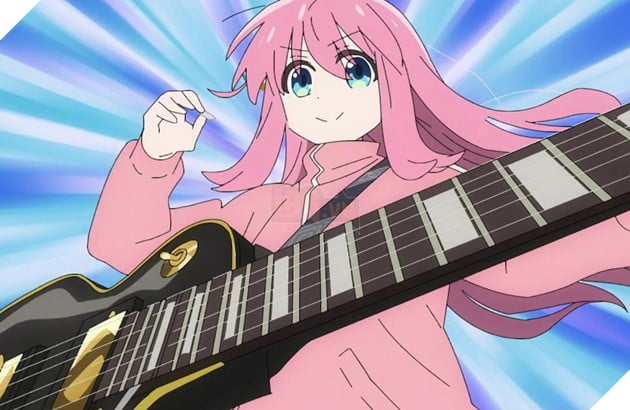
Awkward Silence as a Comedic Tool
Unlike fast-paced gag anime, Bocchi the Rock! is comfortable with silence. Long pauses, failed conversations, and moments where no one knows what to say are used deliberately. These awkward gaps create tension—and release—without relying on dialogue-heavy jokes.
This approach makes the comedy feel closer to real life. Social anxiety often manifests in silence rather than action, and the series leans into that discomfort instead of avoiding it. For many viewers, these quiet moments are just as funny as the more dramatic visual gags.
Character Dynamics That Feel Natural
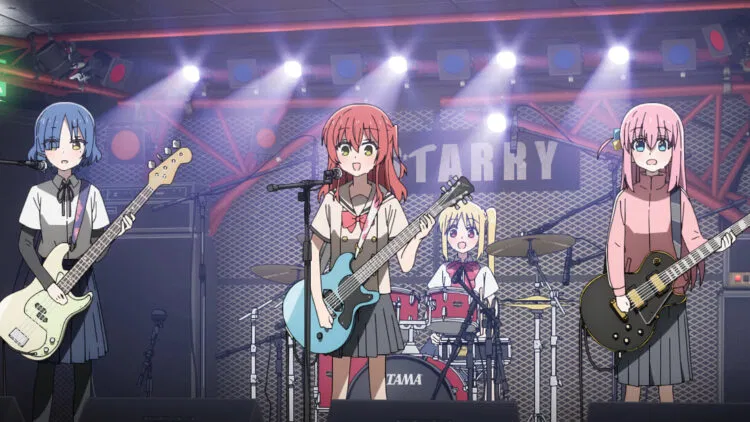
The humor of Bocchi the Rock! is strengthened by its character interactions. Nijika’s optimism, Ryo’s deadpan sarcasm, and Kita’s cheerful honesty contrast sharply with Bocchi’s internal chaos. Instead of exaggerated conflict, the comedy emerges from subtle misunderstandings and personality clashes.
Importantly, the supporting characters do not exist solely to “fix” Bocchi. They react realistically—sometimes confused, sometimes supportive, sometimes oblivious. This grounded dynamic prevents the comedy from feeling forced and reinforces the sense that these characters could exist outside the anime.
Why the Comedy Feels So Real to Fans
What ultimately sets Bocchi the Rock! apart is its respect for the audience. The series never dismisses anxiety as something silly, even when it is presented humorously. By allowing viewers to laugh at situations they may personally struggle with, the show creates a sense of shared understanding rather than judgment.
This authenticity explains why the series continues to resonate long after its release. Fans do not just remember the jokes; they remember how those jokes made them feel seen.
👉 If you’re a true Bocchi the Rock! fan and want to celebrate the heart, humor, and musical spirit of the series, explore officially inspired apparel, collectibles, and fan-favorite designs at bocchitherock.store. Discover items that let you carry Bocchi’s passion for music and self-expression from the stage into your everyday life.
